ByJohn A
From Photo Booths to Generative AI The Evolution of Interactive Event Technology
The first shift was digital delivery
Early booths were defined by a fixed camera, a timed sequence and a printed strip. Digital cameras, touch screens and event software added live preview, branded layouts, email, text delivery and social sharing. This changed the booth from a souvenir machine into a measurable media channel.
The second shift was immersive capture
360 video platforms, multi-camera arrays, robotic cameras and interactive walls expanded the output beyond a single still photograph. These systems create motion, camera movement or group participation. Their value depends on choreography and throughput: the guest must understand what to do in seconds.
See also: Why Mediation Is the Smart Choice for Resolving Disputes
Generative AI changes the image itself
A conventional template adds graphics around a photo. Generative AI can alter the scene, wardrobe or artistic treatment while retaining the participant as the central subject. That enables campaign-specific concepts that would otherwise require sets, costumes or post-production.
The safest event implementation uses controlled choices rather than unrestricted prompts. The operator validates likeness, anatomy, brand treatment and content before the image is delivered or printed.
Print resolution still matters
AI does not remove basic production requirements. A common 4 by 6 inch photo printed at 300 pixels per inch requires 1200 by 1800 pixels. Transparent overlays should normally be supplied as PNG files because PNG supports an alpha channel; JPEG does not support transparent pixels. These simple specifications prevent soft prints, white boxes and distorted logos.
The next era is connected
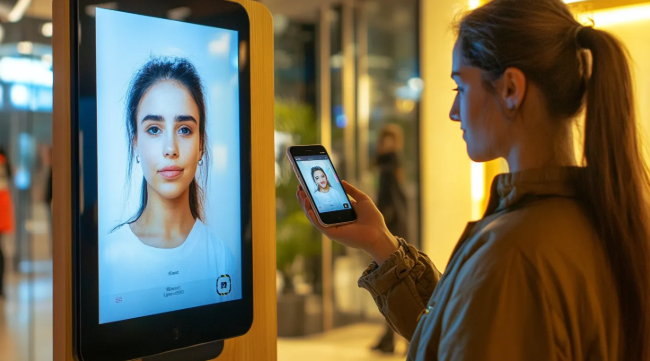
Modern AI photo booth experiences can connect capture, transformation, approval, print, delivery and analytics. The strongest systems preserve local queueing when connectivity is unstable and make consent clear before collecting a phone number or email address.
For buyers, the core question is no longer whether an activation uses AI. It is whether the system can create a relevant result at event speed, protect the brand and recover gracefully when a component fails.
Frequently asked questions
What is an AI photo booth?
It is a photo experience that uses an AI model to transform or enhance a guest image before printing or digital delivery.
What file size is standard for a 4 by 6 print?
At 300 pixels per inch, the pixel dimensions are 1200 by 1800.
Why use PNG for an overlay?
PNG supports transparent areas, allowing the live photograph to remain visible beneath the graphic frame.
Sources and factual references